
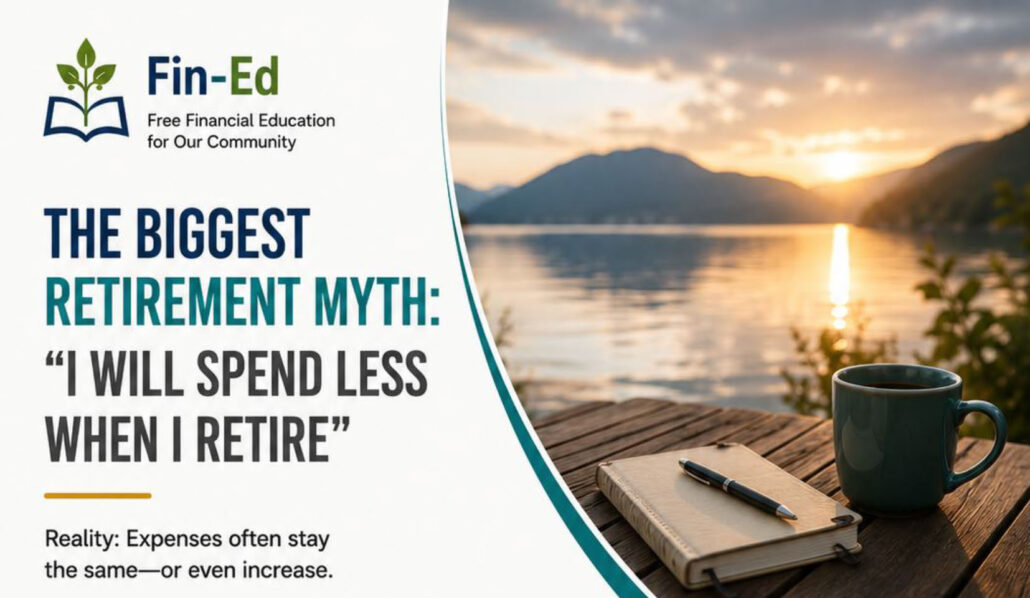
One of the most common assumptions people make when planning for retirement is:
“My expenses will decrease once I stop working.”
At first glance, this seems logical. You may no longer have to pay for:
- Daily commuting
- Work clothing
- Business lunches
- Professional memberships
- Retirement contributions
As a result, many people assume their monthly expenses will reduce significantly after retirement.
However, in practice, this is often one of the biggest retirement planning mistakes.
For many retirees, expenses do not decrease nearly as much as expected—and in some cases, they actually increase.
Why This Myth Exists
Retirement is often viewed as a period of slowing down. Many people imagine:
- Spending more time at home
- Travelling less
- Living a simpler lifestyle
- Having fewer financial commitments
While this may be true for some individuals, most retirees quickly discover that retirement creates a different spending pattern rather than a lower spending pattern. The money simply starts flowing to different areas.
You Finally Have Time
During your working years, time is often limited. Retirement changes that ,suddenly there is time to:
- Travel
- Visit family
- Pursue hobbies
- Join clubs and social groups
- Play golf
- Renovate the house
- Take holidays
Unfortunately, many of these activities cost money.
One of the most common observations among new retirees is:
“I am busier now than when I was working.”
And often, they are spending more than anticipated as well.
Healthcare Costs Often Increase
One of the largest expenses facing retirees is healthcare. As we age, medical costs generally rise.
This may include:
- Medical aid contributions
- Gap cover
- Specialist consultations
- Medication
- Dental treatment
- Hearing aids
- Mobility assistance
- Home healthcare services
Healthcare inflation often exceeds normal inflation, meaning these costs can increase faster than many retirees expect.
A medical aid contribution of R5,000 per month today could easily exceed R10,000 per month over the next decade.
Supporting Adult Children and Grandchildren
Many retirees continue to provide financial assistance long after retirement. This may include:
- Helping adult children financially
- Assisting with grandchildren’s education
- Family emergencies
- Housing support
Although these expenses are rarely included in retirement calculations, they can have a significant impact on retirement capital.
Inflation Never Retires
Even if your lifestyle remains unchanged, inflation continues. The cost of:
- Food
- Fuel
- Electricity
- Insurance
- Municipal charges
- Healthcare
will continue increasing every year.
An income that feels comfortable today may not provide the same purchasing power ten or twenty years from now This is one of the reasons retirement planning must focus on maintaining purchasing power rather than simply generating income.
The Retirement Spending Curve
Interestingly, retirement spending often follows three phases:
Phase 1: The Active Years
Typically ages 60 to 75.
This is often the most expensive phase of retirement.
Retirees travel, socialise, pursue hobbies, and enjoy activities they postponed during their working years.
Spending levels often remain similar to—or even higher than—pre-retirement spending.
Phase 2: The Slower Years
Typically ages 75 to 85.
Travel and activity levels may begin to reduce.
Certain expenses may decline, but healthcare costs generally increase. Overall spending often remains relatively stable.
Phase 3: The Care Years
Typically age 85 and beyond.
Lifestyle spending may reduce, but healthcare and care-related expenses often increase significantly.
These costs can include:
- Assisted living
- Frail care
- Home nursing
- Medical equipment
- Specialist treatment
For many retirees, this phase can be financially demanding.
A Practical Example
Consider a person earning R50,000 per month before retirement.
They assume their expenses will reduce to R30,000 per month after retirement. However, after retiring they discover:
- Travel costs
- Medical aid contributions increase
- They spend more on leisure
- They assist family members
- Inflation steadily increases their cost of
Within a few years, their expenses have returned to levels close to their pre-retirement spending. This scenario is surprisingly common.
The Real Goal of Retirement Planning
Retirement planning should not focus on reducing your lifestyle. It should focus on preserving it.
The objective is to accumulate sufficient capital so that you can continue living comfortably without constantly worrying about money.
A successful retirement plan aims to:
- Generate sustainable
- Protect against
- Manage investment
- Provide flexibility for unexpected
- Preserve purchasing power over the long
Questions to Ask Yourself
Before retiring, consider the following:
- What do I realistically spend each month today?
- Which expenses will disappear?
- Which expenses will increase?
- How much do I expect to spend on travel and leisure?
- What provision have I made for healthcare costs?
- How will inflation affect my lifestyle over the next 20 to 30 years?
The answers may surprise you.
Final Thoughts
The belief that retirement automatically results in significantly lower expenses is one of the most dangerous assumptions in financial planning.
For many people, retirement simply changes where their money is spent.
The most successful retirees are those who plan based on realistic spending expectations rather than optimistic assumptions.
Retirement should be a time of freedom and enjoyment—not a time of financial stress caused by underestimating future expenses.
FinEd – Empowering Better Financial Decisions Through Education
This article is intended for educational purposes only and should not be construed as financial, tax, accounting or legal advice. Professional advice should be obtained before implementing any financial strategy.